A Visitor’s Guide to Dutch Flower Auctions: Key Points
@petaljournal18
November 24, 2026 · 3 min read
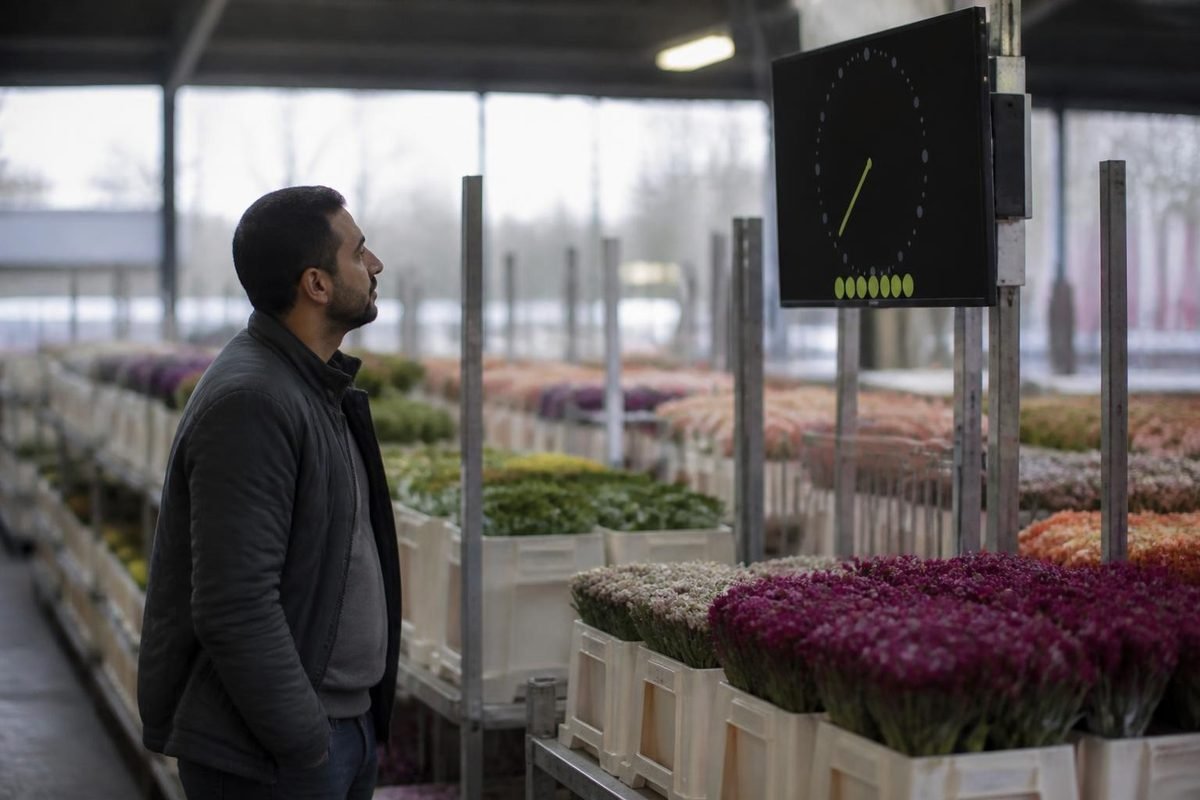
You can learn about Dutch flower auctions by visiting a site that allows public access or by going to a museum that explains auction history. Check details before you travel, because hours, visitor services, and tours can change.
Decide what kind of visit you want
Aalsmeer is a major hub for the Dutch flower trade, and its large auction complex may be of interest to visitors. Check the site’s official visitor information before making the trip. Do not assume that the working trading floor is open to the public. Viewing options can also differ from what older travel guides describe.
For a look at the past, visit Museum BroekerVeiling in Broek op Langedijk. It presents the history of a Dutch produce auction rather than a working flower auction, but its setting helps explain Dutch trading practices. If seeing an auction demonstration matters to you, check the museum’s program in advance.
Keep in mind that a business site and a museum offer different experiences. A working auction handles goods and sales, while a museum is arranged for public visits and may leave more room to look around and ask questions.
Make arrangements before setting out
Flower trading often gets underway early. Build your schedule around confirmed opening and access information, rather than expecting to arrive at a relaxed hour. Check transport as well, particularly if you need an early bus or train.
- Read the venue’s official information for visitor access, opening days, and booking rules.
- Find out what visitors are allowed to see. Options could include a viewing space, a guided visit, or a demonstration.
- Check the route from where you are staying and leave enough time to make connections.
- Take an extra layer for a chilly morning and follow the venue’s visitor instructions.
If the information about public access to a working auction is unclear, get in touch with the venue before you leave. This can help you avoid arriving early only to find that the site is closed or a tour is no longer offered.
Follow the trading process
The Dutch auction clock is a well-known method: the asking price falls until a buyer accepts it. Flower trading today also relies on digital systems, so you may not see a crowd of buyers signaling by raising their hands.
At a working auction, notice how goods move through the process. Flowers need to be sorted and carried, and carts and containers are part of the activity alongside the blooms. If you are watching from an approved area, you may see one batch move on quickly as the next arrives.
Set aside a little time to read the signs or hear an explanation from a guide. Learning a few of the terms can make an unfamiliar auction clock easier to understand.
Things to check in advance
Can visitors purchase flowers?
Do not plan on buying flowers during a visit unless the venue confirms that it is possible. Working auctions serve professional buyers, so check the rules if you hope to make a purchase.
Do auctions welcome visitors every day?
Schedules differ from one venue to another, and public visiting hours may not match trading times. Confirm the details for your chosen site before settling on a date.
A good companion read: meaning of flowers in Viennese art